Home Renovation Seattle: Modern Upgrades Designed for Everyday Living
Remodeling Services: Redesign Your Home Using Expert Renovation Solutions
Home renovation provides homeowners a chance to improve their living spaces considerably. It encompasses various projects, from kitchen renovations to bathroom renovations. These transformations not only enhance aesthetics but also increase functionality and property value. However, the process demands careful consideration of design, budget, and professional assistance. As homeowners evaluate their options, they must consider the benefits against potential challenges that may occur during renovations. What factors should they focus on to accomplish a successful outcome?
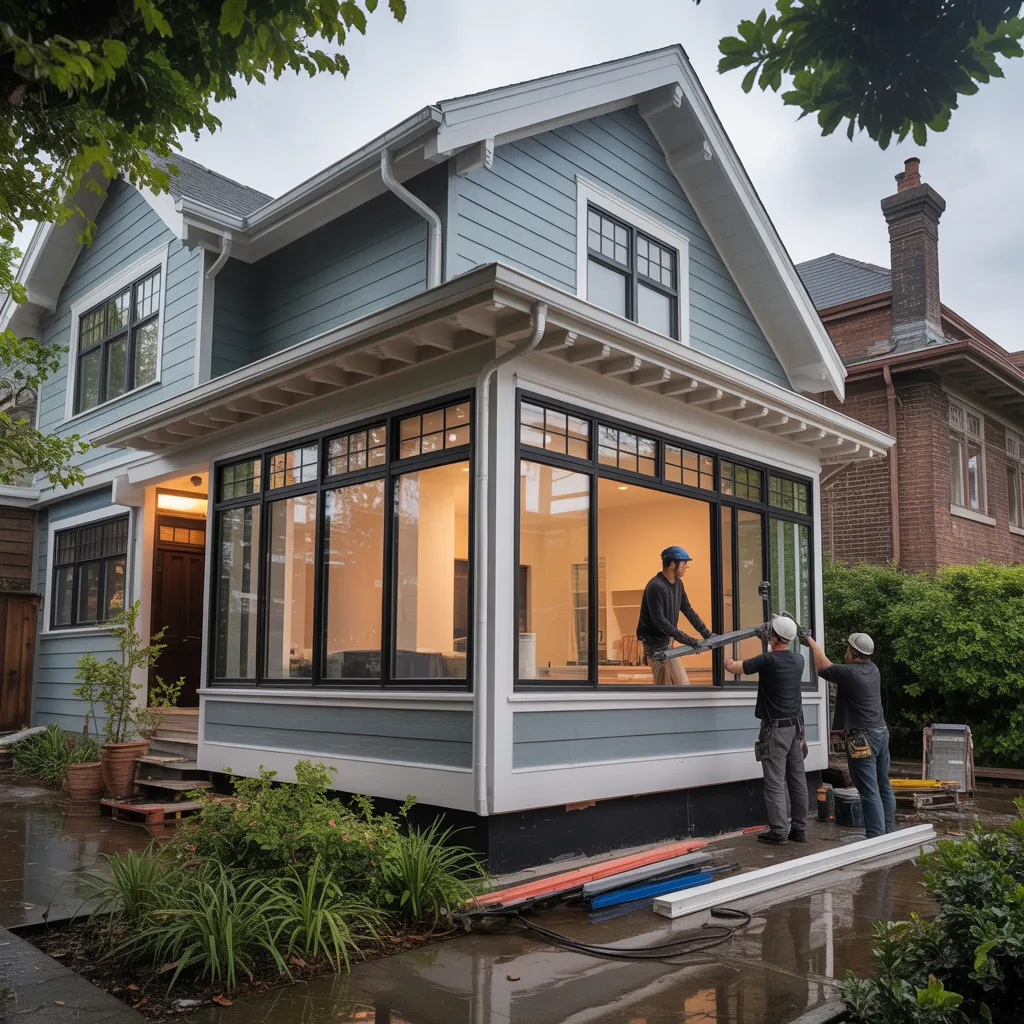
Understanding the Rewards of Home Remodeling
Home renovation delivers multiple benefits that can significantly enhance a property's functionality and worth. By modernizing old areas, homeowners can create a more cozy and delightful living environment. Better design and configuration can lead to better space utilization, making homes more functional for everyday living.
Along with aesthetics, remodeling projects can also improve energy efficiency through the integration of modern appliances, better insulation, and energy-efficient windows. This not only brings about lower utility bills but also supports a more sustainable living environment.
In addition, increasing curb appeal through exterior renovations can draw in potential buyers and enhance market value. Homeowners may also find that personalized updates satisfy their specific needs, creating a sense of satisfaction and pride in their living spaces. Ultimately, the advantages of home remodeling reach beyond direct improvements, positively impacting long-term lifestyle and property investment.
Common Home Improvement Projects to Consider
Homeowners frequently consider various remodeling projects to elevate their living spaces. Among the most popular options are kitchen enhancements and modernizations, bathroom remodels, and the creation of appealing outdoor living zones. Each of these projects presents unique benefits that can considerably enhance both functionality and aesthetics.
Kitchen Updates and Advanced Solutions
Kitchens frequently function as the heart of a home, making enhancements and modernizations in this space a top priority for many. Homeowners frequently consider open-concept layouts to boost flow and functionality. Upgrading appliances with energy-efficient models not only lowers utility costs but also promotes sustainability. Additionally, incorporating smart technology, such as touchless faucets and programmable ovens, brings convenience and sophistication. Countertop materials like quartz and granite provide durability and aesthetic appeal, while custom cabinetry maximizes storage solutions. Furthermore, incorporating innovative lighting, such as pendant lights and under-cabinet fixtures, can elevate the ambiance. Lastly, integrating eco-friendly elements, like reclaimed wood or recycled materials, aligns with contemporary design trends and environmental consciousness, guaranteeing a kitchen that is both stylish and functional.
Ideas for Bathroom Makeovers
Even though a kitchen might be the heart of a home, the bathroom typically serves as a personal sanctuary, making it a excellent candidate for a makeover. Homeowners often consider numerous remodeling projects to improve both functionality and aesthetics. One common idea is to install a modern soaking tub or a spacious walk-in shower, offering a spa-like experience. Upgrading fixtures, such as faucets and lighting, can also make a substantial impact. Moreover, incorporating natural materials like stone or wood can establish a warm atmosphere. Color schemes play a crucial role; soft, neutral tones often evoke calmness. Finally, maximizing storage with stylish cabinetry or built-in shelves can help maintain a clutter-free environment, enhancing the overall appeal of this personal space.
Outside Living Spaces
Outdoor living areas have grown in popularity as homeowners strive to enlarge their living areas beyond the limitations of their interiors. These spaces create a seamless transition between indoor and outdoor environments, promoting enhanced relaxation and entertainment. Common remodeling projects include the addition of decks, patios, and pergolas, which can be customized with relaxing seating options, fire pits, and outdoor kitchens. Homeowners often consider landscaping additions, such as gardens and water features, to create a serene atmosphere. Lighting solutions, like string lights or built-in fixtures, further improve the ambiance for evening gatherings. Ultimately, outdoor living spaces not only raise property value but also provide a versatile area for leisure, making them a valuable investment for many homeowners.
Why Hiring Professional Services Matters
As homeowners undertake remodeling projects, the expertise of professional services can substantially impact the outcome. Skilled specialists bring specific expertise and knowledge that ensure projects are completed productively and to a high standard. Their experience helps them anticipate potential difficulties and navigate them skillfully, decreasing the likelihood of costly mistakes.
Moreover, professional services often have access to superior materials and tools, which can improve the resilience and aesthetic appeal of the renovation. They are also proficient in local building codes and regulations, maintaining compliance that protects homeowners from potential legal complications.
In addition, employing professionals can save homeowners valuable time while reducing stress, as they take care of project management and coordination with subcontractors. This permits homeowners the ability to attend to their daily lives while the renovation advances smoothly. In the end, investing in professional remodeling services can lead to a highly satisfying and successful transformation of their living space.
Developing a Budget for Your Remodeling Project
How can homeowners effectively budget for their remodeling projects? Initially, they need to determine the project's scope, distinguishing between necessary improvements and optional additions. Setting a clear direction enables better spending prioritization. Subsequently, homeowners should investigate and collect quotes from contractors, making certain to include labor, materials, and possible unforeseen expenses. It is prudent to allocate an additional 10-20% of the total budget for contingencies, as unforeseen issues often arise during renovations.
Property owners ought to consider financing options if needed, such as personal lending products or HELOCs, to ensure they have sufficient funds. Assessing multiple contractors and their bids can deliver better pricing and value. Last but not least, regularly assessing the budget throughout the project helps maintain financial control and permits adjustments as needed. By applying these recommendations, homeowners can build a realistic budget that promotes a successful remodeling experience.
Understanding Design Decisions and Trends
Within the world of home remodeling, grasping current design trends is critical for making knowledgeable choices. Homeowners should also consider how to smoothly integrate their personal style into these trends to create a cohesive look. Merging contemporary aesthetics with individual preferences can boost both functionality and visual appeal.
Latest Design Patterns
As property owners aim to individualize their homes, modern design movements show a shift towards environmental responsibility and utility. Sustainable materials, including reclaimed wood and bamboo, are increasing in demand, reflecting a growing awareness of environmental impact. Minimalist design is also gaining traction, focusing on clean lines and uncluttered spaces that foster a sense of calm. Versatile furniture pieces, such as convertible sofas and expandable dining tables, meets the need for versatility in smaller homes. Moreover, biophilic design, which includes natural elements, is gaining momentum as people seek to connect with nature indoors. Color palettes are shifting towards earthy tones, creating warm and inviting atmospheres. These patterns jointly stress creating spaces that are both aesthetically pleasing and functional while being eco-friendly.
Individual Style Incorporation
When exploring the countless design choices and trends, homeowners often find themselves at a crossroads between their own aesthetic and current aesthetics. This integration process calls for deliberate consideration of individual preferences, lifestyle, and the overall theme of the home. Professionals suggest creating a mood board that reflects individual tastes, incorporating colors, textures, and materials that feel personally meaningful. Blending contemporary trends with unique elements can result in a harmonious space that feels both current and true to the homeowner's identity. Moreover, homeowners should welcome expert advice, as professionals can provide guidance on how to integrate timeless features with trendy designs. Ultimately, the goal is to achieve a cohesive look that displays personal style while remaining relevant in the modern market.
Managing the Remodeling Journey
Properly managing the remodeling process calls for meticulous planning and open communication among all participants involved. A well-defined timeline and budget are crucial to direct the project and avoid unexpected delays or costs. Homeowners should create a thorough scope of work, outlining precise goals and expectations for the renovation. Regular meetings with contractors and designers promote transparency and permit timely adjustments to the plan.
Documentation, including contracts and permits, must be meticulously maintained to assure proper compliance and defend the interests of all stakeholders. Residents should likewise take initiative in addressing any problems that emerge, cultivating a collaborative environment where resolutions can be found quickly. Efficient project administration rests on balancing the homeowners' goals with the proficiency of experts, developing a well-coordinated progression. By focusing on structured planning and transparent communication, the remodeling process can advance seamlessly, resulting in a transformed living space that achieves the intended design and practical objectives.

Guaranteeing Quality and Environmental Responsibility in Home Improvements
Maintaining quality and sustainability in renovations involves a thoughtful approach that prioritizes building materials, methods, and long-term effects. Homeowners should choose eco-friendly materials, such as reclaimed wood or low-VOC paints, which support healthier indoor environments while minimizing ecological footprints. Moreover, implementing energy-efficient appliances and systems can considerably reduce utility costs and improve comfort.
Collaboration with experienced contractors who stress sustainable practices is essential. They frequently utilize techniques that lower waste and enhance the general durability of the renovation. Routine maintenance also plays a vital role in sustaining the quality and longevity of renovations, ensuring that homes remain operational and appealing over time.
In addition, observing local building codes and sustainability certifications can help guide homeowners toward sustainable choices. By focusing on these components, homeowners can realize beautiful, functional spaces while encouraging environmental stewardship and maintaining the lasting quality of their renovations.
Frequently Asked Questions
What Is the Expected Duration of a Typical Remodeling Project?
A standard remodeling project can take anywhere from a few weeks to several months, contingent upon the scope and complexity of the work. Variables including design changes, permits, and material availability also influence the timeline.
What Should I Do When I Exceed My Budget?
If budget limits are exceeded, it's important to reexamine your priorities, pinpoint non-critical expenses to remove, and examine financing alternatives. Clear dialogue with contractors about spending restrictions may lead to revised plans or different approaches.
Can I Live in My Home During Renovations?
Yes, one can learn about this live in their home during renovations, but it depends on the extent of the work. Proper planning and communication with contractors can minimize disruptions and ensure safety throughout the renovation process.
Which Permits Do You Need for Remodeling Projects?
Generally, homeowners require building permits, electrical permits, plumbing permits, and in some cases zoning permits for home improvement projects. Requirements differ based on your location, so homeowners must review local regulations and authorities prior to initiating any home improvements.
How Can I Discover Reputable Contractors in My Local Area?
To locate reliable contractors, one should obtain recommendations from relatives and friends, review online reviews, check local directories, and validate credentials through licensing boards. Additionally, securing multiple quotes can help to gauge quality and competitiveness.